SCOPE
Brand strategy & architecture, identity system, activation frameworks
NATURE
Multi-phase, cross-functional transformation
TEAMS
Product · Brand · Design · Research · Business · Regional
CONTEXT
After 8 years of growth, Pinkoi had become Asia's beloved destination for handmade and design goods. The brand had deep emotional loyalty, but the identity that fueled early success couldn't keep pace with where the business was heading.
The core issue wasn’t demand or supply. It was perception. An identity built for a curated niche now made Pinkoi feel narrower than the marketplace it had become.
The identity created barriers on three fronts:
Pinkoi's early differentiator had become a growth ceiling.
The business had evolved. The brand had not.
Growth in core categories remained healthy, but expansion into broader lifestyle and international markets was increasingly constrained.
The Challenge
Pinkoi needed an identity that could reach untapped markets without abandoning the loyalty built over eight years.
We had to rethink fundamental questions: who Pinkoi was, how it competed, and whether the brand could enable growth rather than limit it.
The tension was immediate:
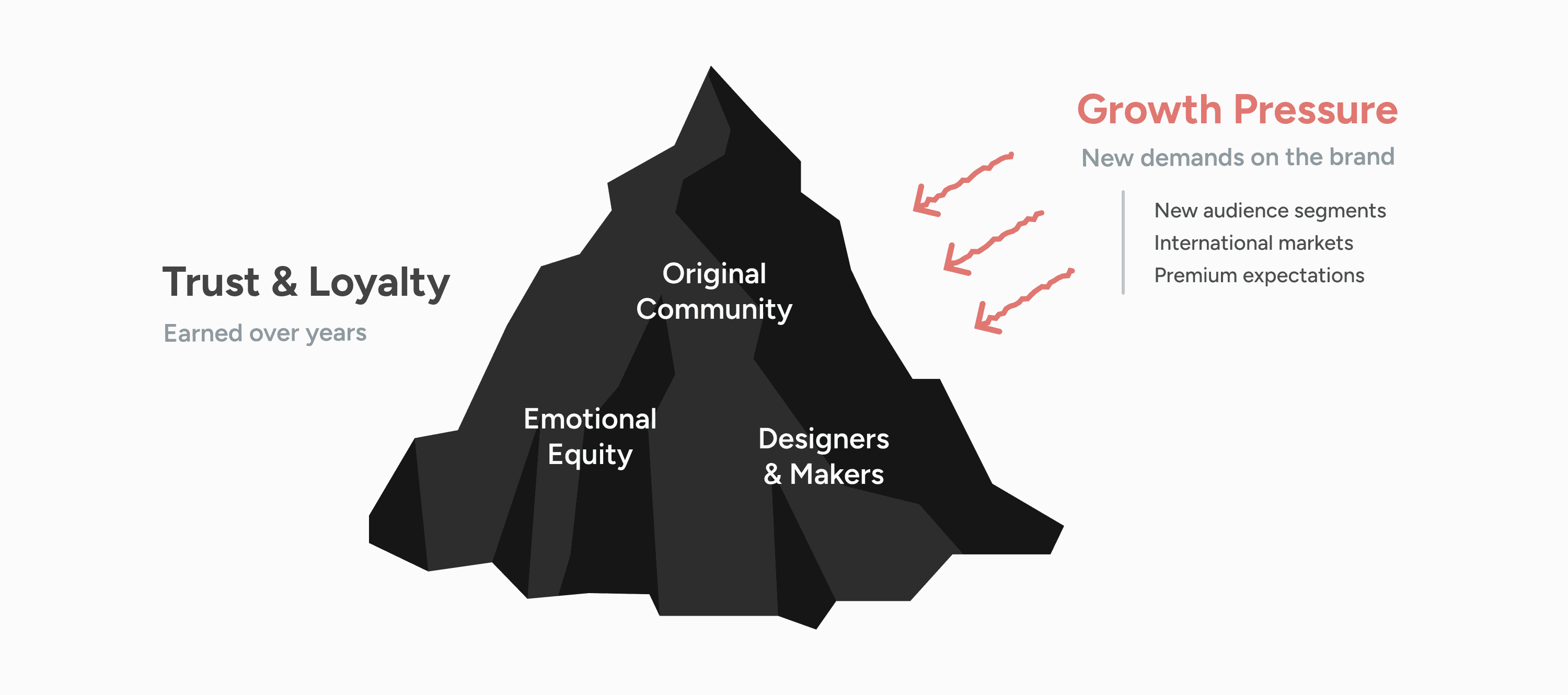
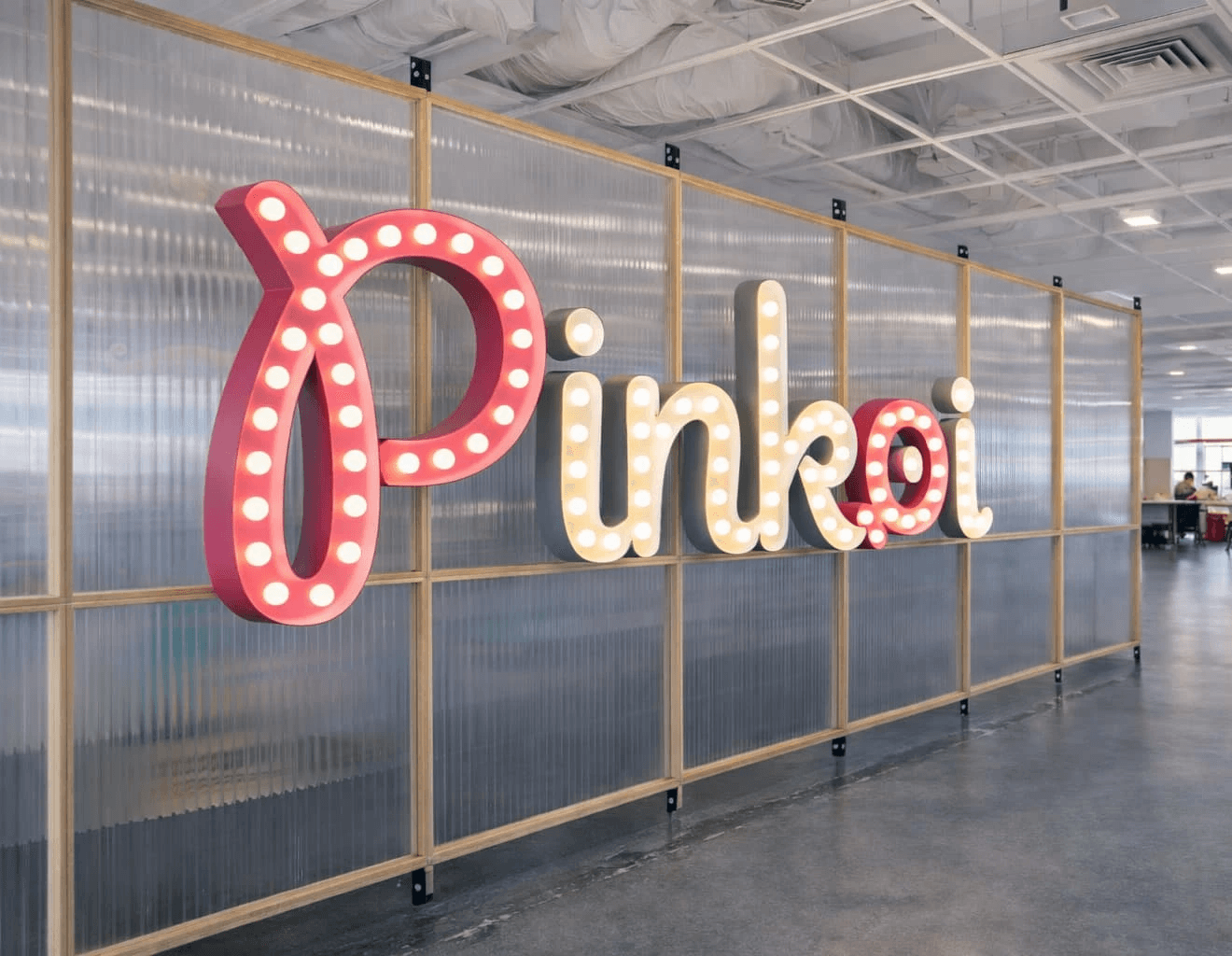
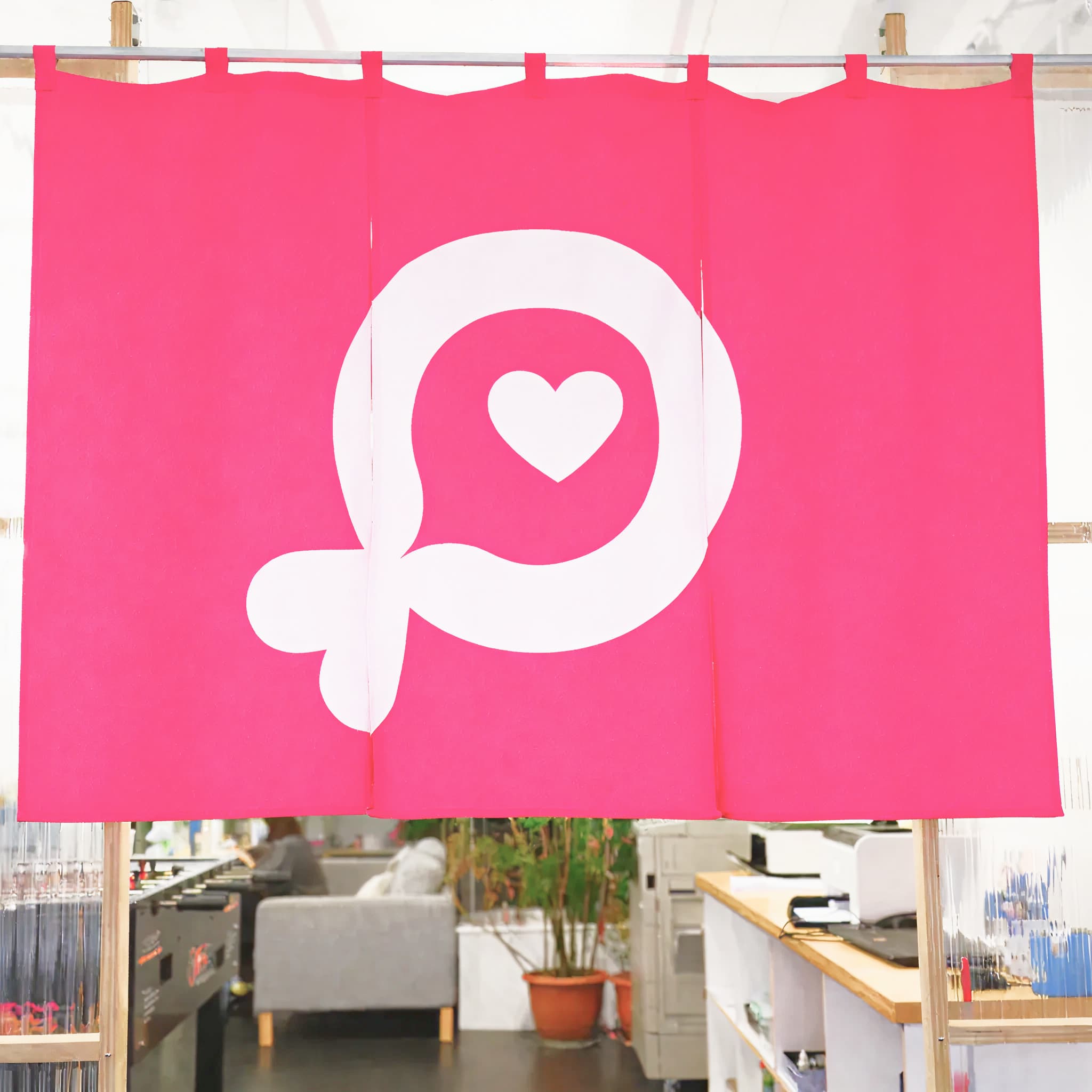
On one side: Long-time members, designers, and internal teams deeply attached to the original brand. The identity lived in community moments, office spaces, and shared milestones. It was emotional equity, not just a mark.
On the other side: Business imperatives that couldn’t wait. International expansion required premium credibility. New verticals demanded a more adaptable identity. Growth depended on reaching audiences the existing brand couldn’t attract.
Delaying change wasn't neutral. Keeping the old identity meant limiting international expansion, blocking new partnerships, and staying in categories Pinkoi had outgrown.
Any shift carried risk. Short-term confusion among users, partners, and teams was likely, even if the long-term direction was sound.
The refresh required executive and cross-functional alignment since the identity shaped everything: product, marketing, regional strategy. But the organization didn't feel ready.
I articulated why the existing identity had become a ceiling, aligned leaders across product, brand, and regional teams, and built conviction for acting now. This strategic framing made the refresh possible.
Through cross-disciplinary workshops, perception research, and visual exploration, I reframed the challenge around two design imperatives:
1. Evolve without erasing what people loved
How might we modernize the color system, logo, and expression while maintaining the warmth and human character at the heart of Pinkoi?
2. Make the brand a strategic lever, not a cosmetic facelift
How might we ensure the refresh enables:
New creative-brand partnerships
Broader user segments and shopping contexts
High-growth verticals: weddings, experiences, courses
International credibility
A flexible framework future teams could extend
The real challenge:
Refresh boldly enough to unlock growth, yet carefully enough to preserve the warmth that made Pinkoi distinct.


Strategy in Action
Pinkoi needed a brand architecture that could evolve with the business and carry its growth for the next decade.
I shaped the multi-year vision, treating the refresh as strategic infrastructure to unlock future markets and behaviors, not optimize short-term metrics.
The work aligned identity, product, and systems to drive measurable behavior change at scale. This unfolded in three strategic moves:
Unlock perception barriers
Activate shoppable journeys
Scale the system for future growth
Move 1 — UNLOCK
Identity refresh: clear the barriers
From expressive and niche → inclusive, global, and adaptable.
This reset how the brand showed up across markets, product surfaces, and partner relationships.
The approach
In cross-disciplinary workshops, we identified Pinkoi's non-negotiable brand DNA: traits that couldn't change, even as the visual expression evolved. The strongest included Refined quality, Unique, Values we stand for, and Curiosity.
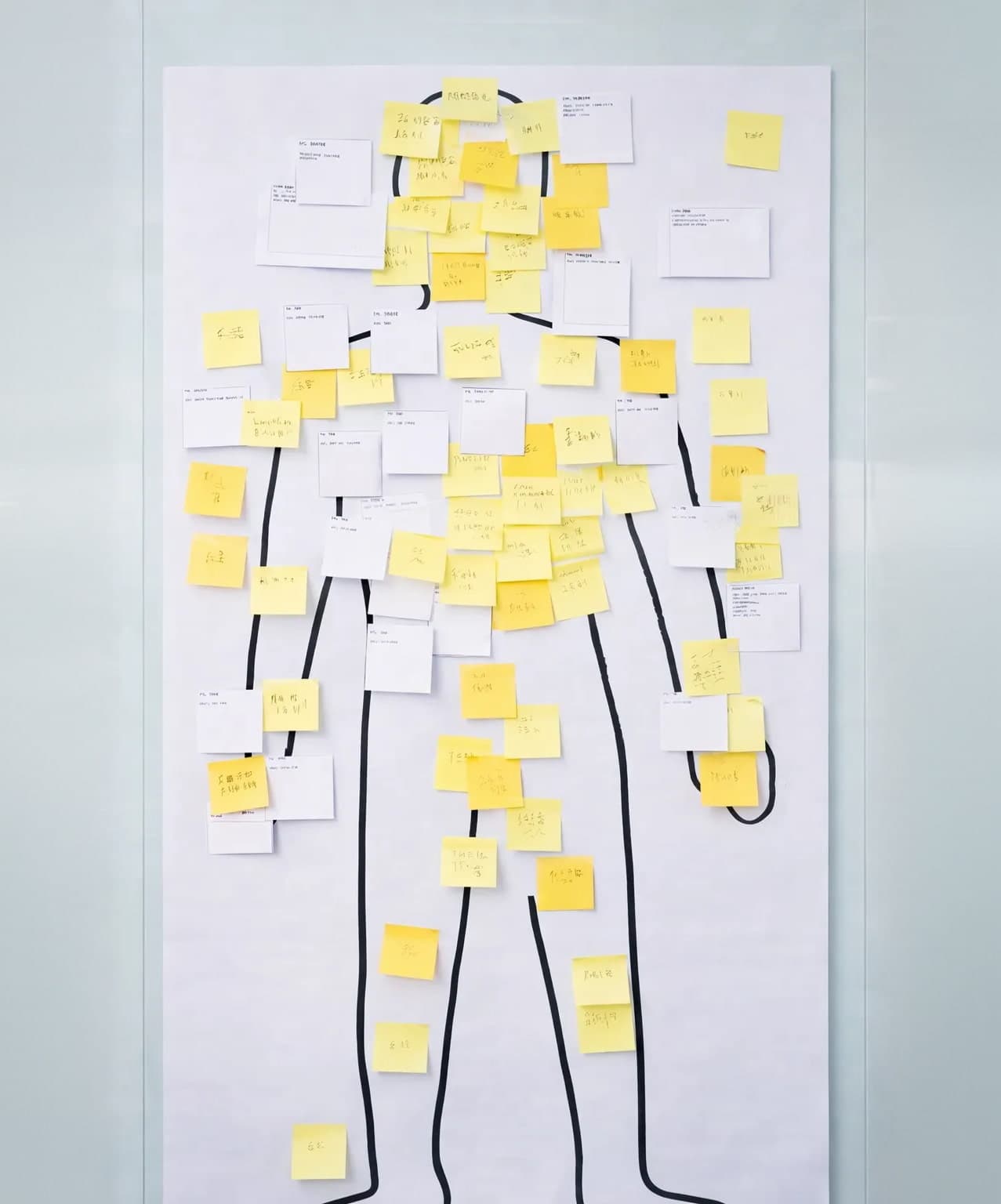
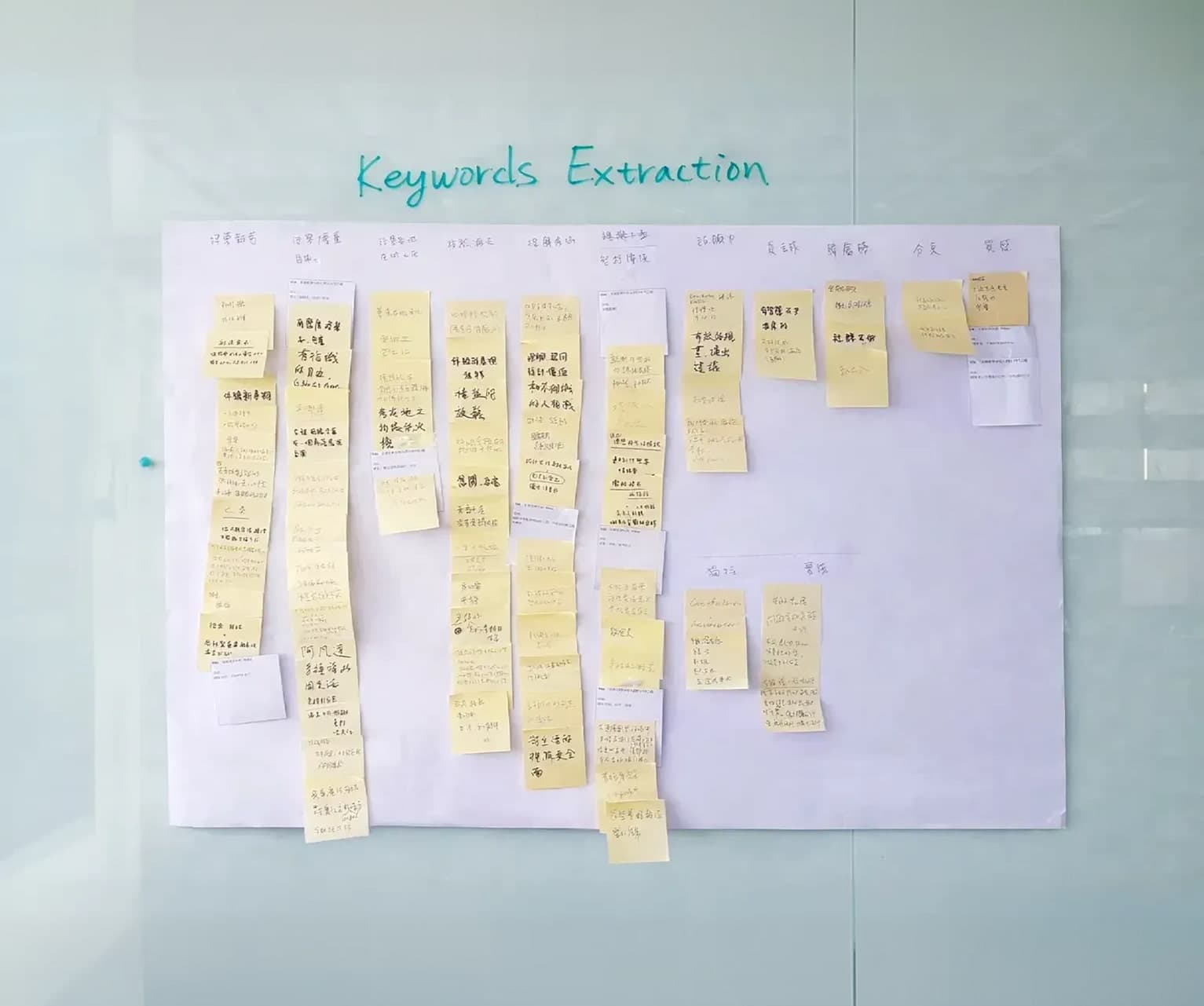
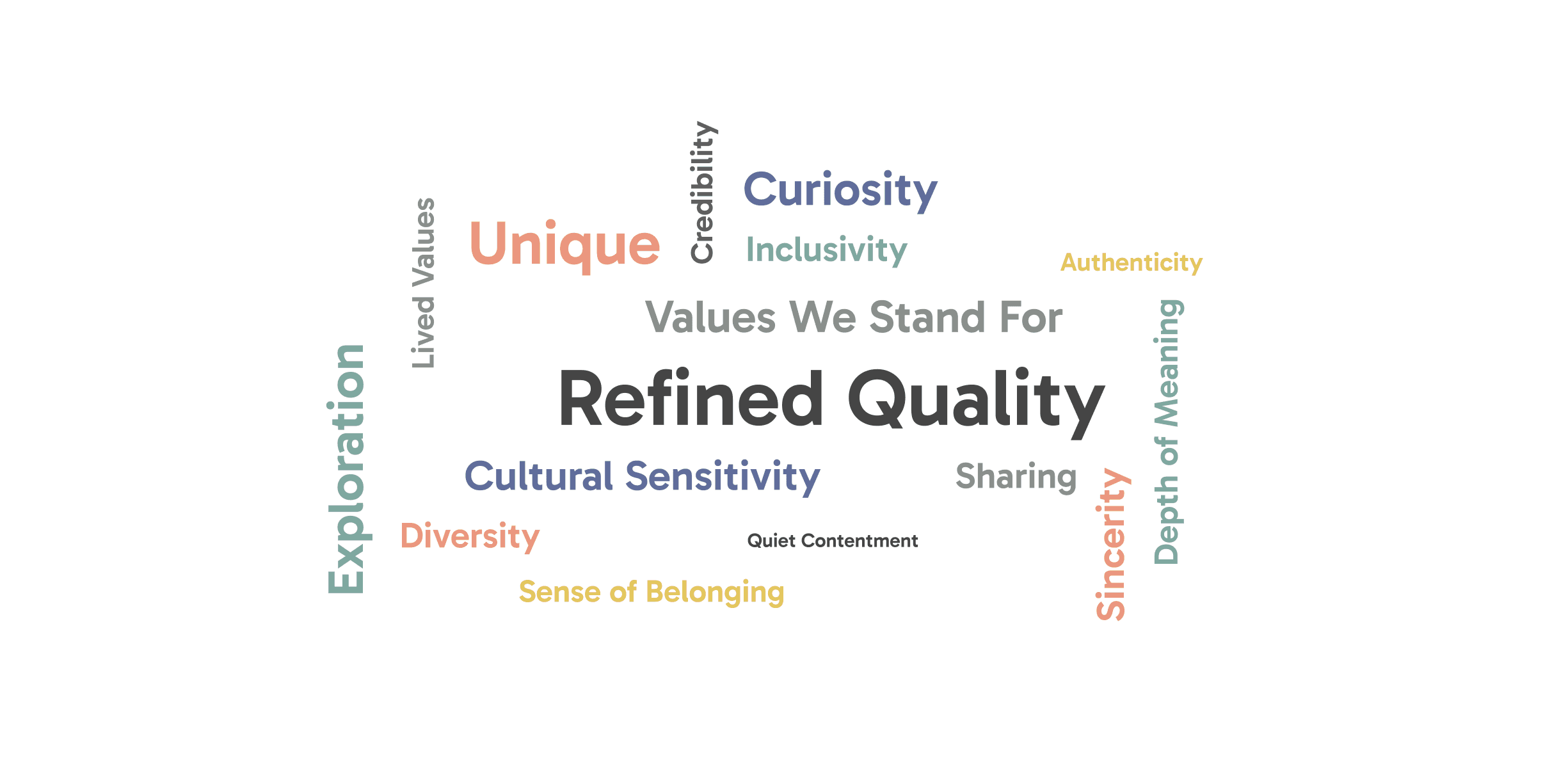
This DNA set our constraints: stay true to these qualities, while making them work across broader audiences.
To ground the DNA in practice, we built visual moodboards for each keyword, showing what ideas like 'Unique,' 'Refined quality,' and 'Sense of Belonging' should look and feel visually.
These examples show how we translated abstract values into a shared visual vocabulary before designing anything.
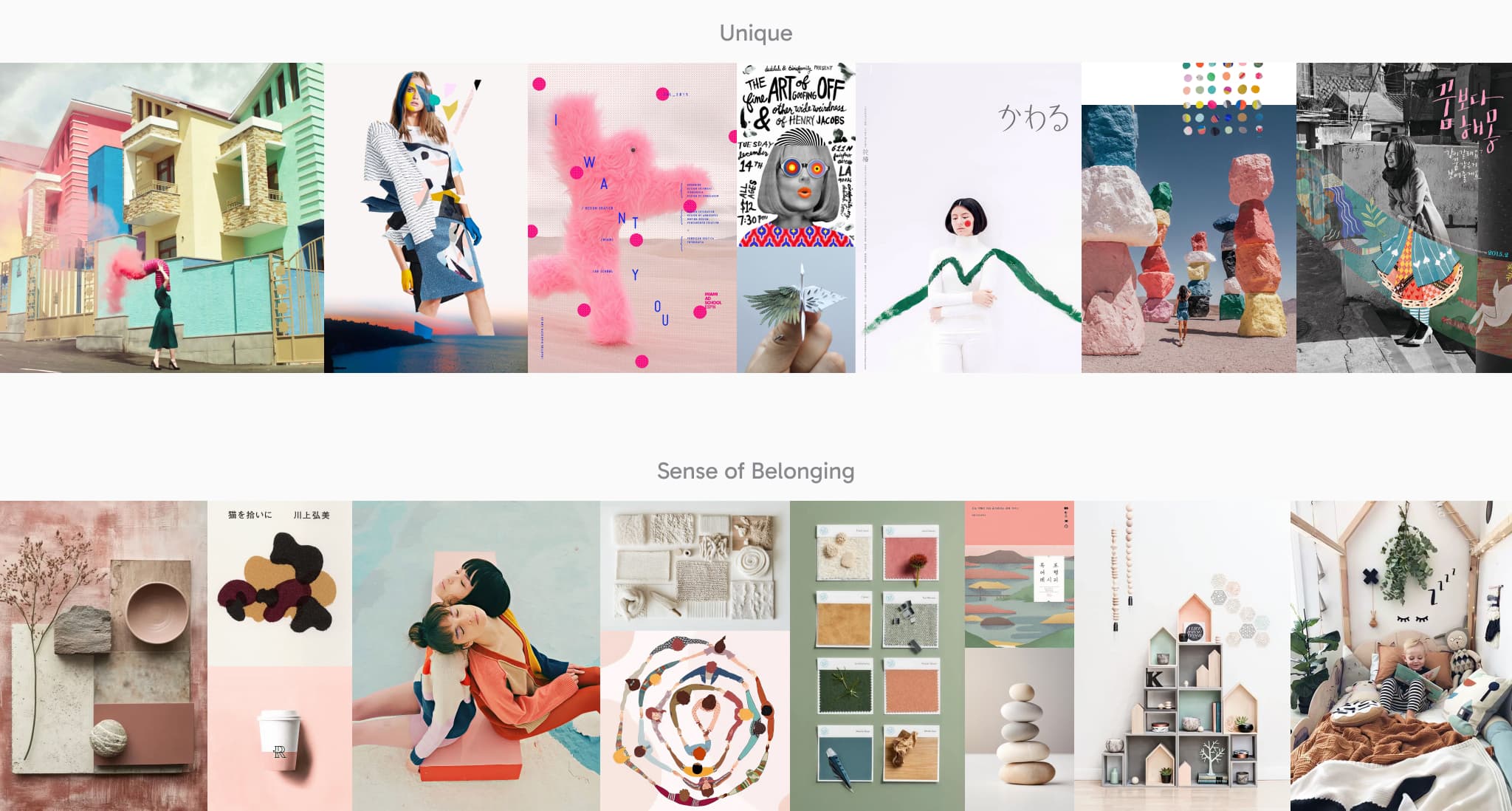
This exploration led to two key shifts:
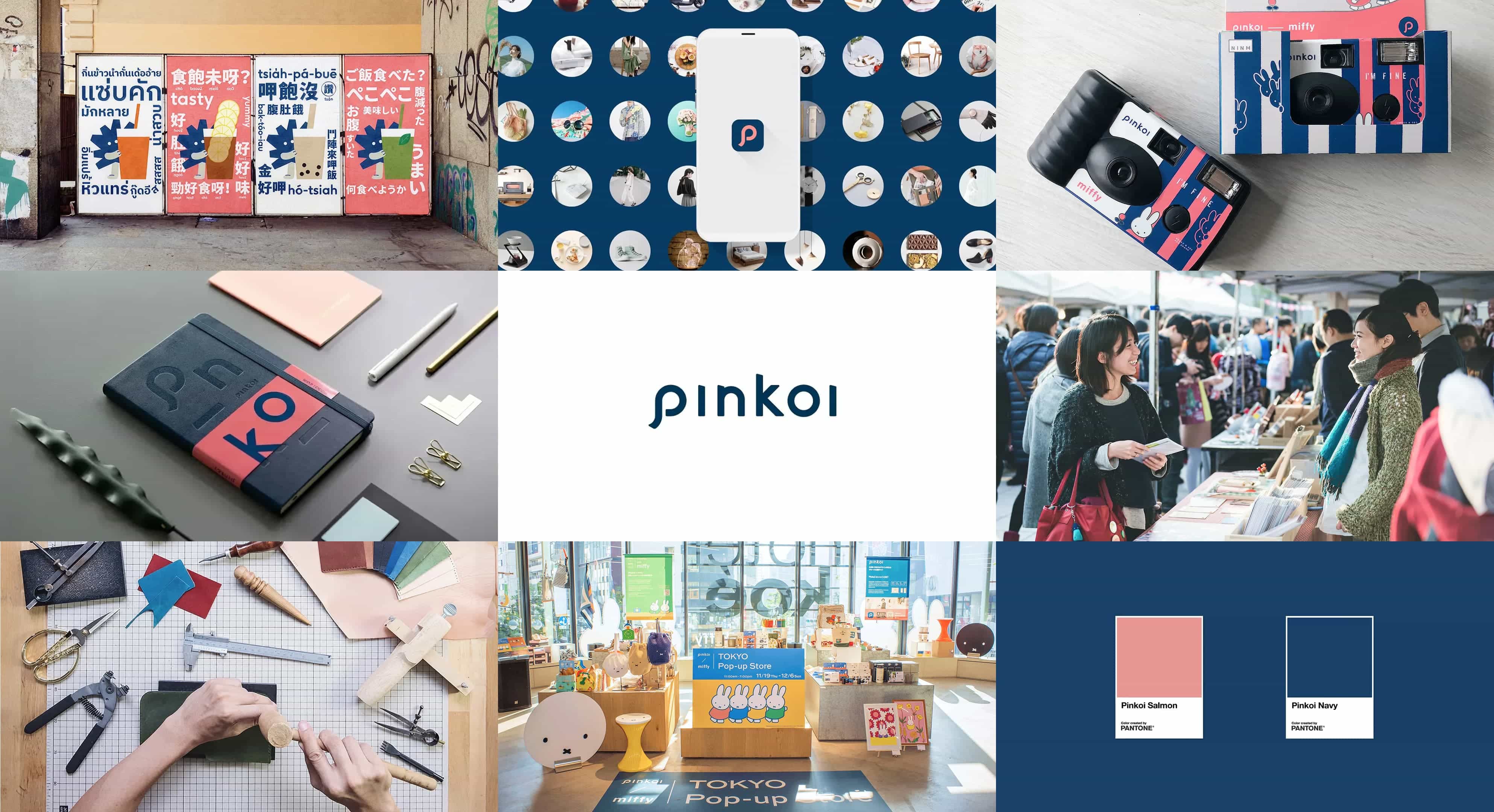
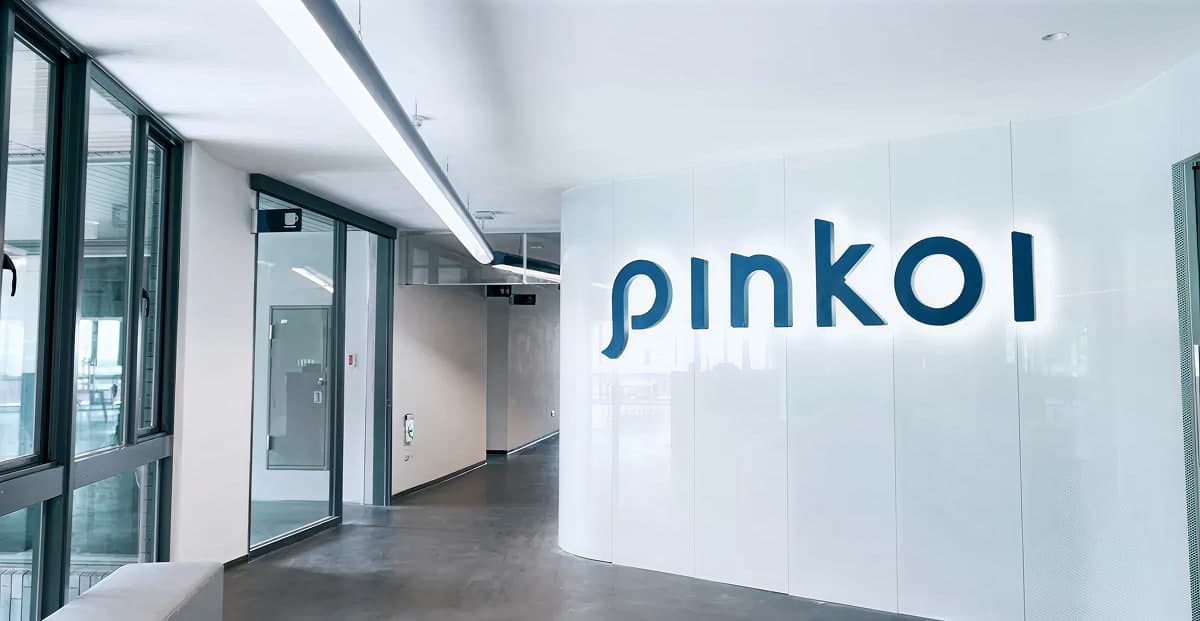
We moved from a bright, expressive pink to a more versatile navy–salmon palette, modernizing the logo and typographic structure to ensure clarity across digital and offline touchpoints.
These changes broadened who the brand could reach without losing its warmth.
To validate the direction, we:
Developed three stylescapes to explore alternative futures for the system
Tested early directions with users and creative brands
Aligned with regional teams to confirm the identity read as premium, inclusive, and credible across markets
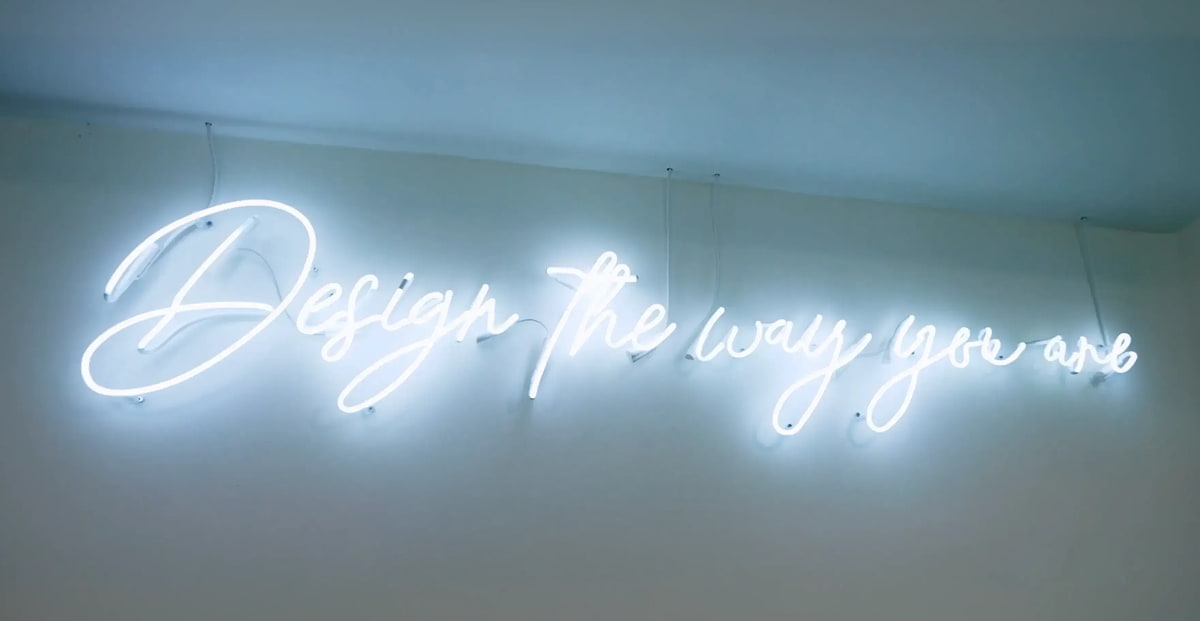
The brand message became "Design the Way You Are," shifting from prescriptive aesthetics to letting users define their own style, with global consistency.

How I shaped Move 1
I created the strategic framing that turned design debates into clear decision criteria:
Does this broaden appeal without sacrificing warmth?
Does this translate across cultures?
Does this preserve emotional equity while opening doors to broader segments?
These questions guided every design decision and kept cross-functional teams aligned. My focus was keeping the refresh strategically coherent, balancing emotional equity with market clarity.
Why this unlocked growth
The refreshed identity cleared perception barriers and expanded who could see themselves on Pinkoi: broader audiences, more creative brands, and adjacent categories.
The refresh widened the frame without replacing what was inside it.
This set up Move 2: turning identity into behavior.
MOVE 2 — ACTIVATION
Theme shops: making identity shoppable
The identity refresh opened doors, but users needed to experience the change inside the product. Theme shops made this tangible through narrative-driven shopping journeys for new audiences and categories.
What we introduced
We launched three Theme Shop pilots: Wedding, Men's, and Experience, to test a repeatable narrative format across different shopping contexts.
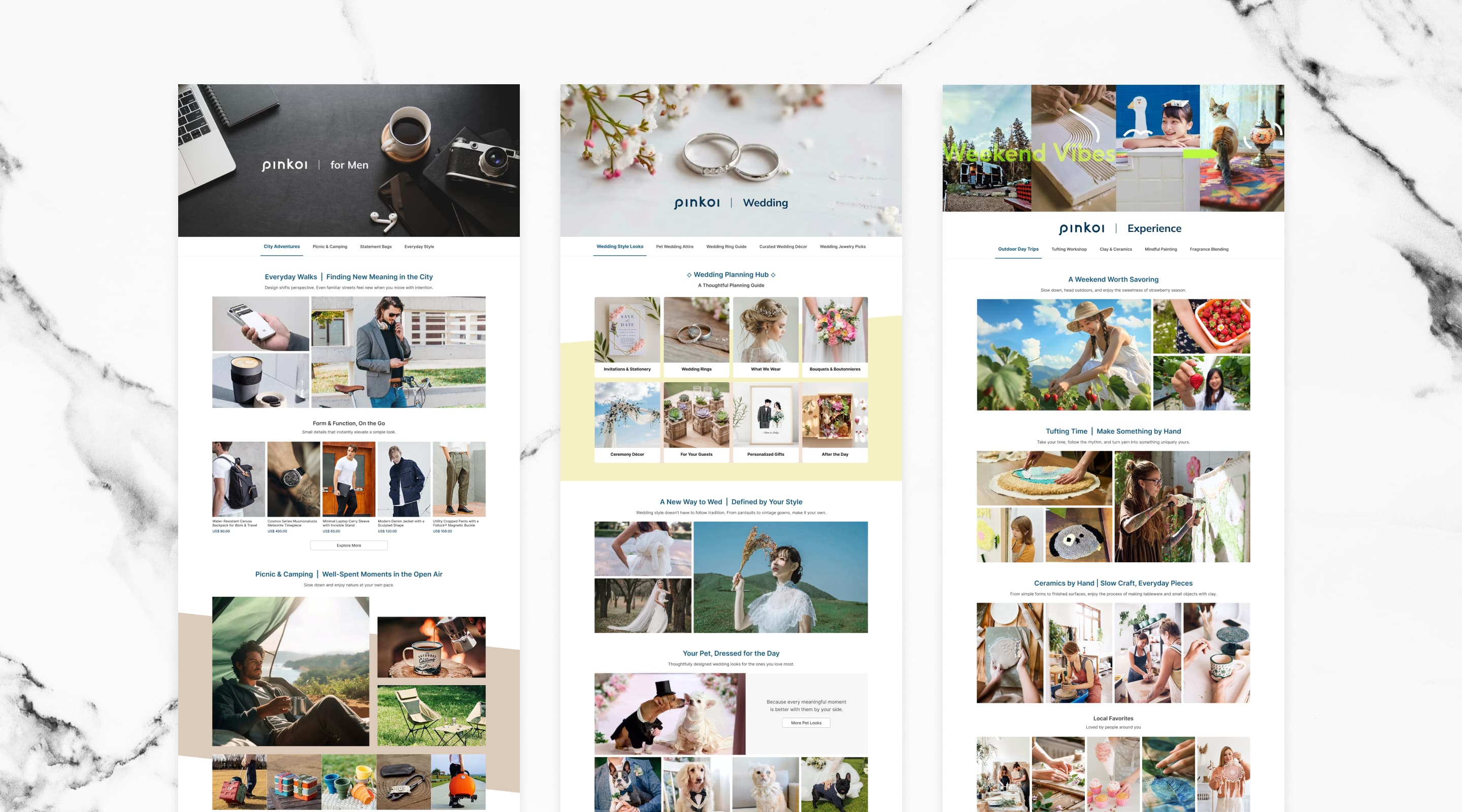
Wedding Shop — from overwhelm to clarity
We organized fragmented planning needs into a story-led journey. Instead of hunting across scattered categories, couples could follow a natural narrative: invitations → décor → gifts → props. The complex vertical became a clear, high-intent destination.
Men’s Shop — a calmer, more intentional way in
We created a new entry point for segments underserved by Pinkoi's aesthetic-forward approach. Simpler curation, quieter UI, and clearer navigation made exploration easier for a segment that historically struggled.
Experience Shop — discover by doing
We created a home for workshops, classes, and tours. The shop made the value clear and introduced layouts built for time-based and activity-focused offerings.
How I shaped Move 2
From the start, I focused on building a modular shop format so insights from these three pilots could inform future segments, category launches, and campaigns.
For each shop, I defined the positioning, the story it needed to tell, and how the evolved identity should translate into visual language and brand expression.
The three shops tested the format across distinct shopping mindsets: high-consideration planning, hesitant lifestyle shopping, and time-based experiential discovery.
The project owner and design team translated this blueprint into flows, UI, and interactions. I joined at critical moments to refine key decisions, resolve cross-team tensions, and ensure choices reflected user behavior and each shop's purpose.
Why this activated the brand
Theme Shops made the refreshed identity actionable. Instead of just influencing perception, they actively guided user behavior.
Clear narrative entry points reduced friction and created immediate relevance, guiding exploration with intent. Pinkoi felt more approachable and personally resonant.
The format was structurally repeatable. What began as three pilots became a system for future segments without rebuilding from scratch.
This was the moment the brand began shaping behavior, not just perception.
MOVE 3 — SCALE
Brand architecture: built to extend
The identity was refreshed. Journeys were activated. Now the brand needed to scale for what came next: international markets, emerging verticals, and new creative collaborations.
Move 3 focused on building brand infrastructure for growth.
What we put in place
Modular visual system:
Core brand colors established consistency. An extended palette provided flexibility, letting regional teams adapt emphasis based on local market preferences while keeping the brand coherent.
Typography, spacing ratios, and component-level guidance allowed teams to extend the system without reinvention.
Storytelling toolkit:
A shared library of motifs, patterns, shapes, and decision frameworks showed how Pinkoi should feel across campaigns, product surfaces, and offline presence.
Collaboration principles:
We defined how Pinkoi appears alongside creative brands and IP partners, enabling co-branded campaigns, overseas events, and multi-country launches to move quickly while maintaining coherence.
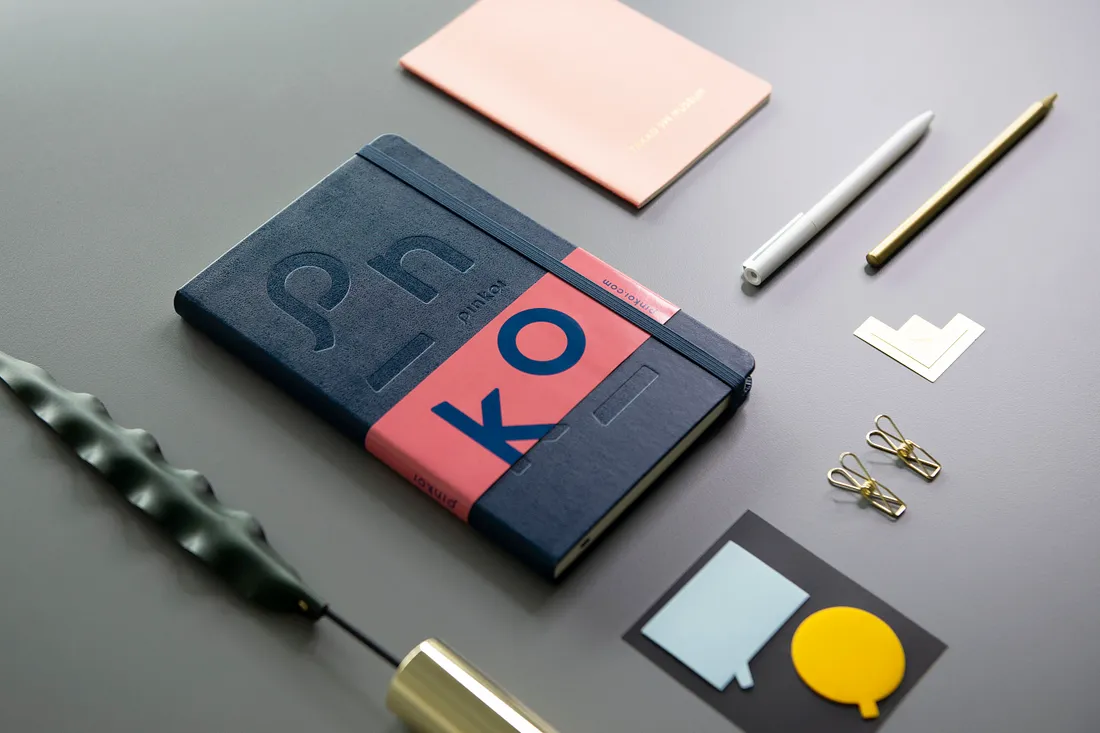

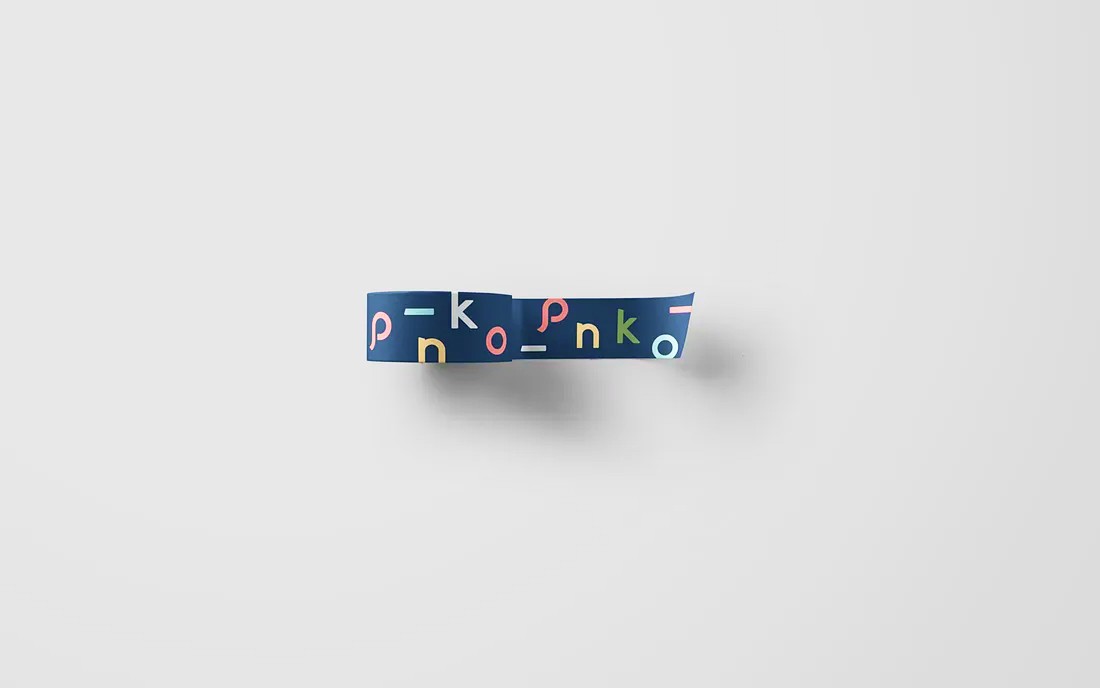
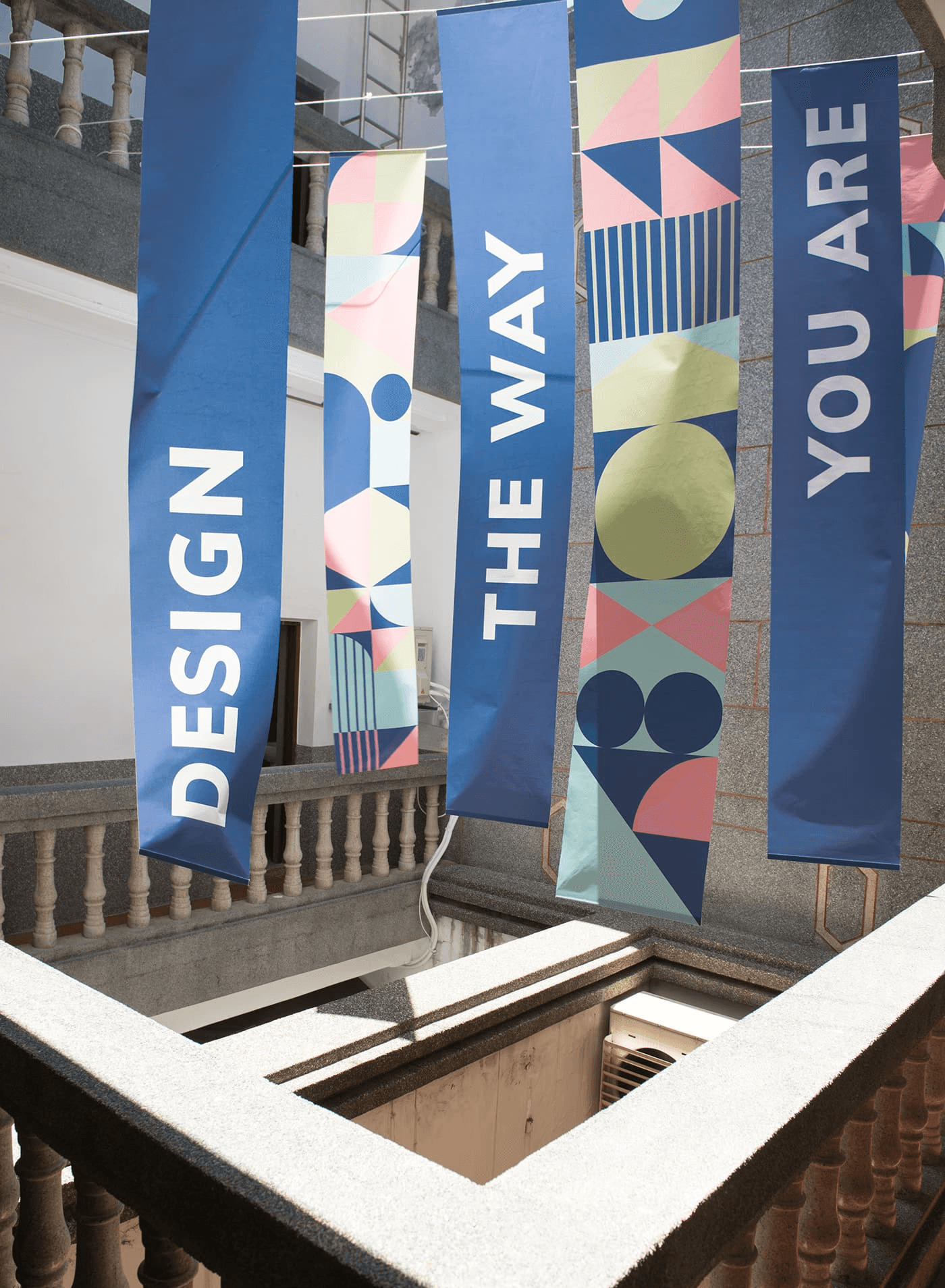
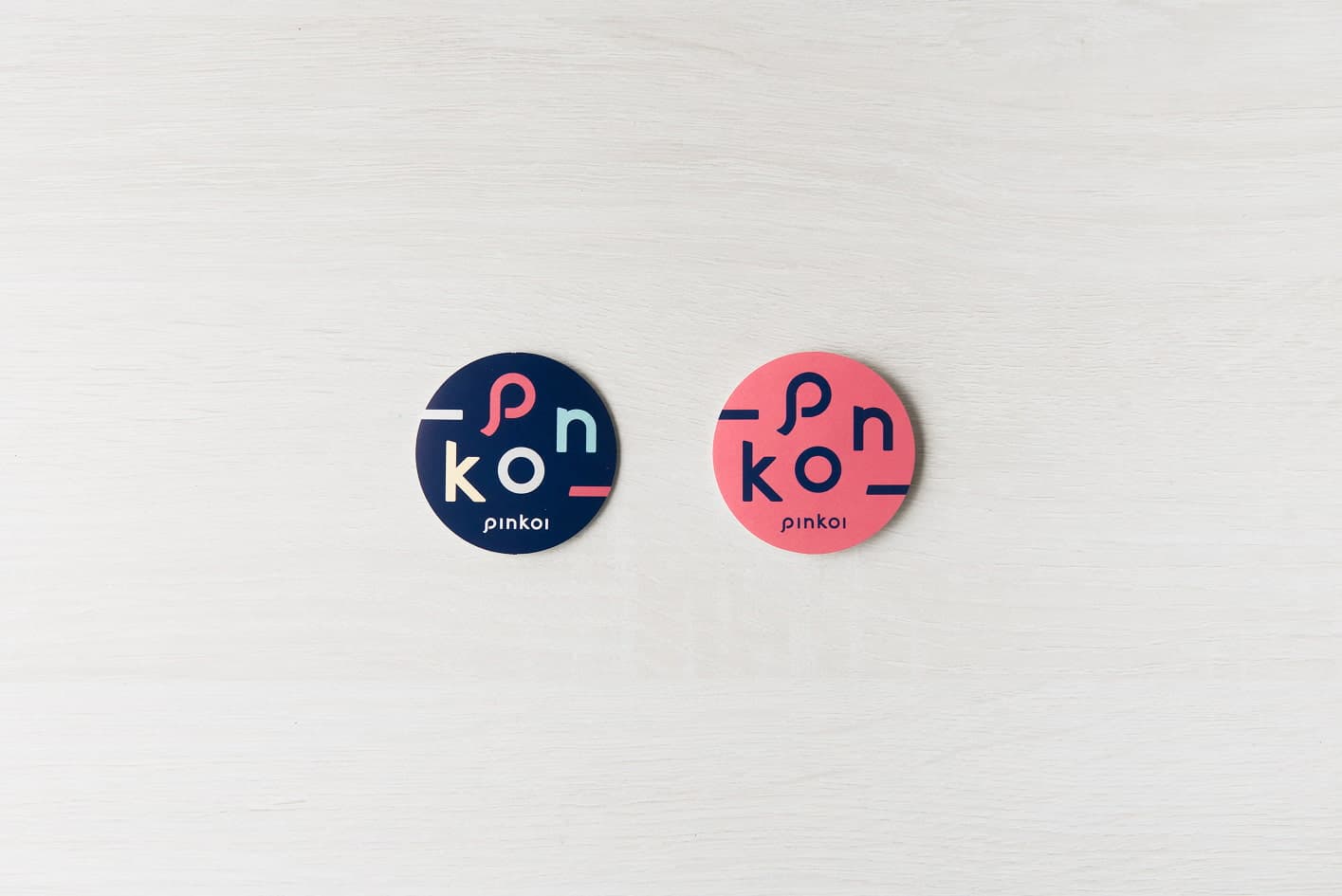
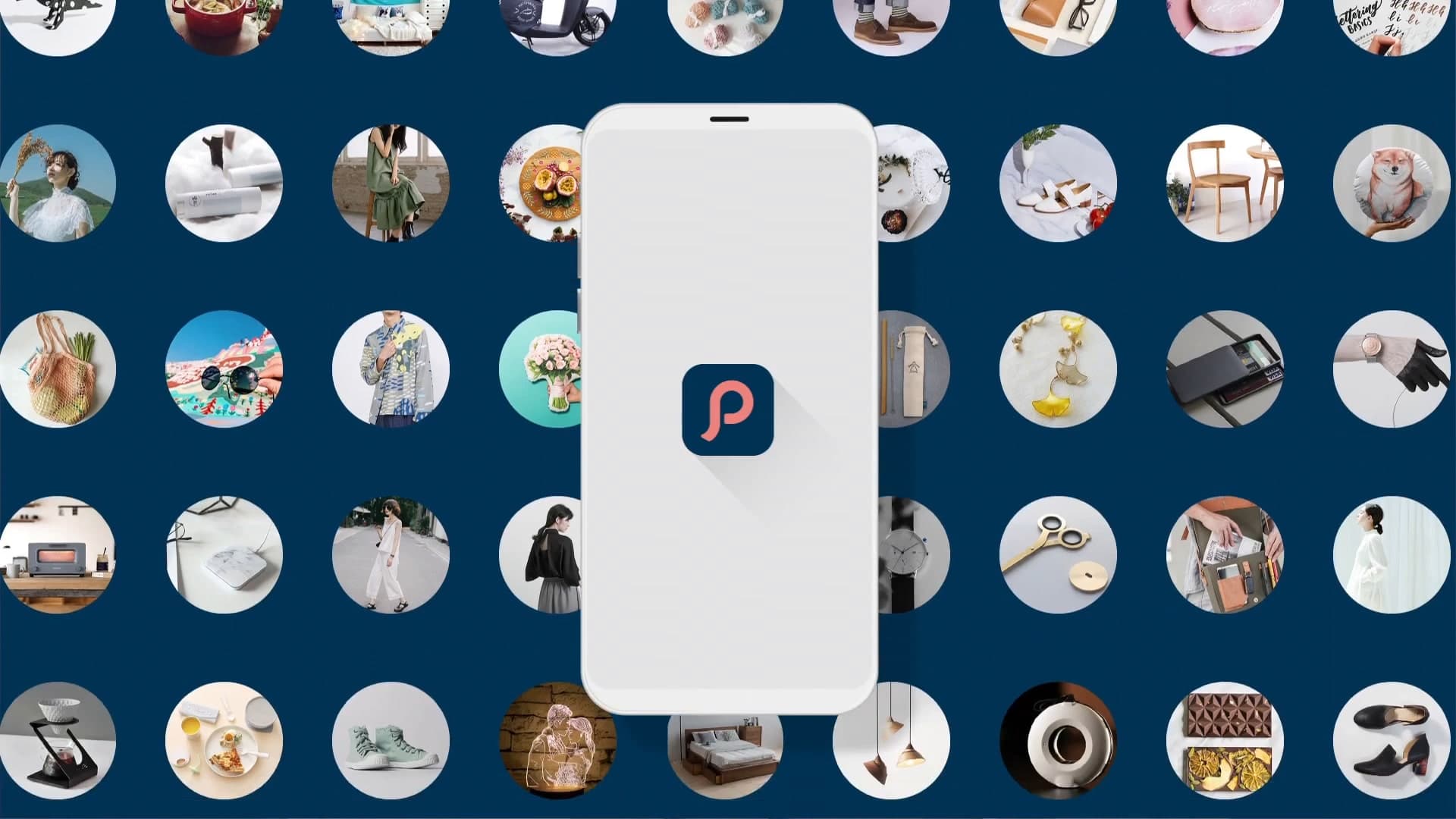
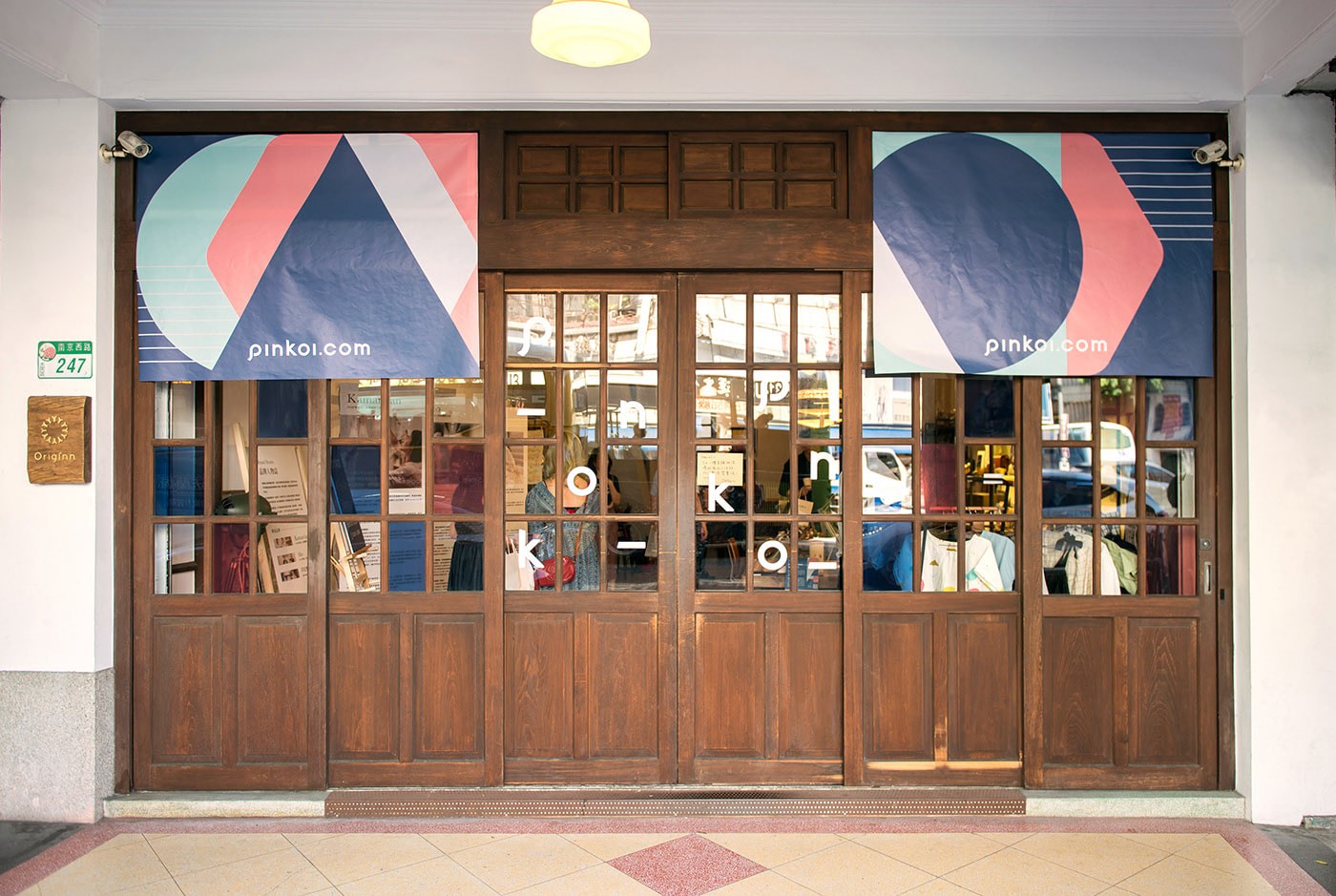
These principles were not theoretical. The system extended cleanly across products, campaigns, and physical spaces.
How I shaped Move 3
I worked with design leads to create practical tools: guidelines, decision logic, and modular components that balanced consistency with flexibility.
My focus was making the architecture both strategically sound and genuinely useful for teams. I led company-wide working sessions where teams learned the principles and practiced applying them to real decisions.
Why this enabled scale
These operational foundations were about velocity, not control.
Move 3 ensured Pinkoi could expand faster, collaborate more widely, and localize with confidence.
The brand became infrastructure for growth, supporting new collaborations, localization, and market expansion while staying coherent.
Pinkoi could now grow in ways the old identity couldn't support.
Formalizing the palette
In 2021, we partnered with Pantone Color Institute to formalize the navy-salmon palette with documented messaging. Pantone described the pairing as "a unique marriage of inclusive and inviting colors whose message of sincerity and respect fosters a sense of belonging."
This gave the palette external credibility and visibility, helping us explain why the colors mattered across markets and partners.
It turned an internal strategic choice into a shareable brand asset.
Results
What the new brand made possible
The refresh built the foundation for Pinkoi to evolve from a marketplace into a multi-vertical ecosystem.
We measured impact across three dimensions: perception shifts, behavioral change, and organizational leverage. Brand value often shows up in how people understand and use the product before appearing in revenue.
Early validation
Key signals confirmed the shift:
Perception shifted across key audiences
The refreshed identity removed long-standing fit concerns on both the supply and demand sides.
Existing and new sellers viewed Pinkoi as more neutral, international, and capable of representing a wider range of styles.
Buyers saw Pinkoi as relevant for everyday and lifestyle needs, not just handmade goods and gifting. More people were willing to recommend Pinkoi to different types of shoppers, showing the platform was no longer seen as niche-only.
Behavior validated the strategy
Theme Shop pilots changed how users explored these verticals. Instead of skimming isolated listings, people followed narrative entry points, spending more time browsing and navigating across categories with clearer intent.
Men's Shop turned users who typically exited early into active explorers, with measurable increases in engagement depth.
Wedding Shop created deeper, multi-step journeys, bringing clarity to wedding planning, a typically fragmented and overwhelming process.
Experience Shop accelerated workshop and class adoption, turning browsing into consistent booking behavior and stabilizing recurring revenue.
Across the pilots, engagement shifted from casual browsing to high-intent discovery. Theme Shops extended the impact of the visual refresh through active engagement.
Brand-fit concerns eliminated
Within the first month, three brands that had turned down Pinkoi's invitation due to brand perception concerns opened shops, proving aesthetic-fit was no longer a barrier.
Sustained impact
Early validation set the stage for sustained expansion across the business.
Premium brand partnerships grew steadily
The perception shift held over time. Brand conversations that once stalled over 'fit' concerns closed more smoothly. More design-forward brands joined the platform, strengthening Pinkoi's position as a globally credible creative platform.
IP collaborations and multi-market expansion
The refreshed identity enabled partnerships that had been difficult before.
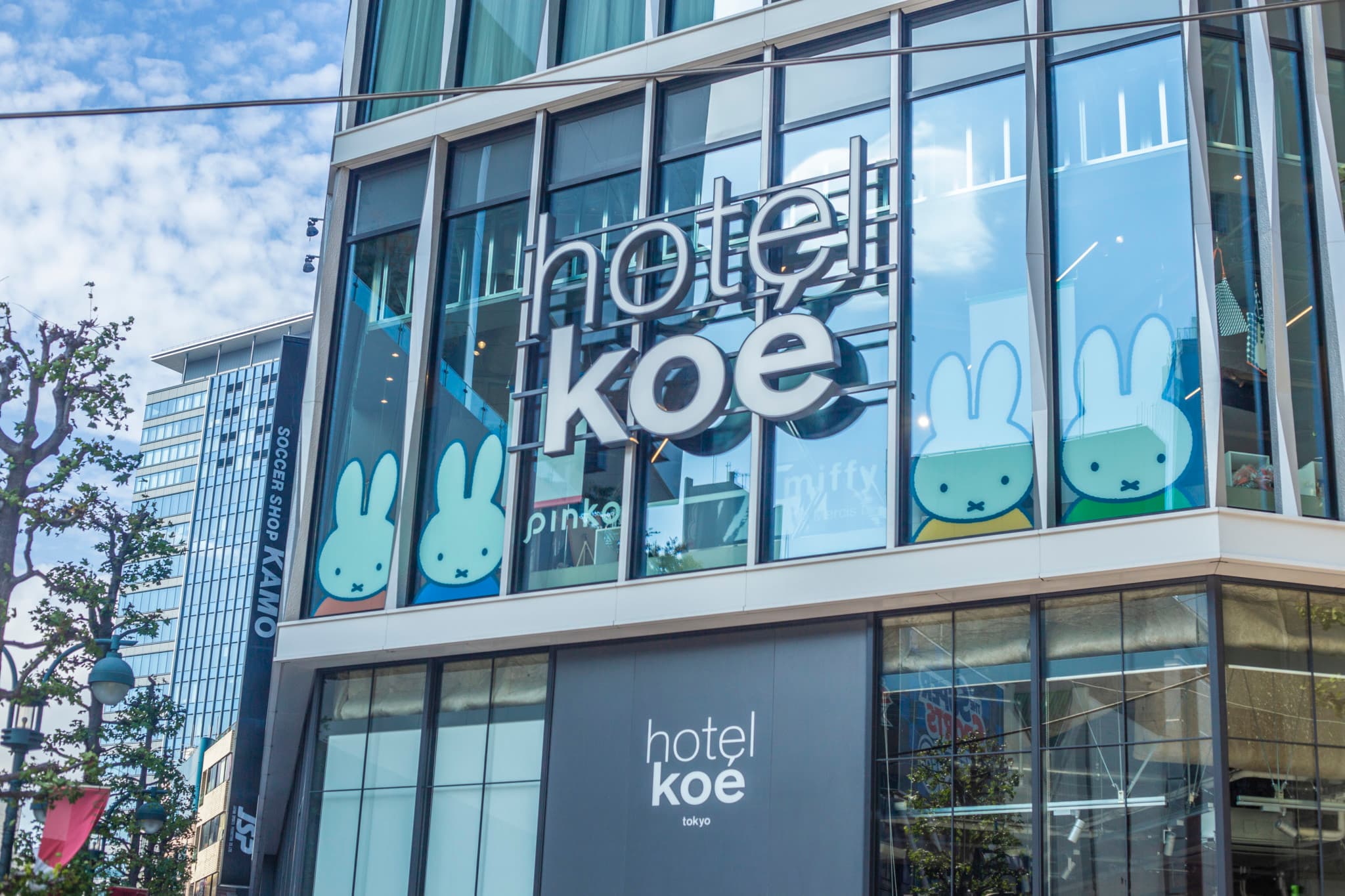
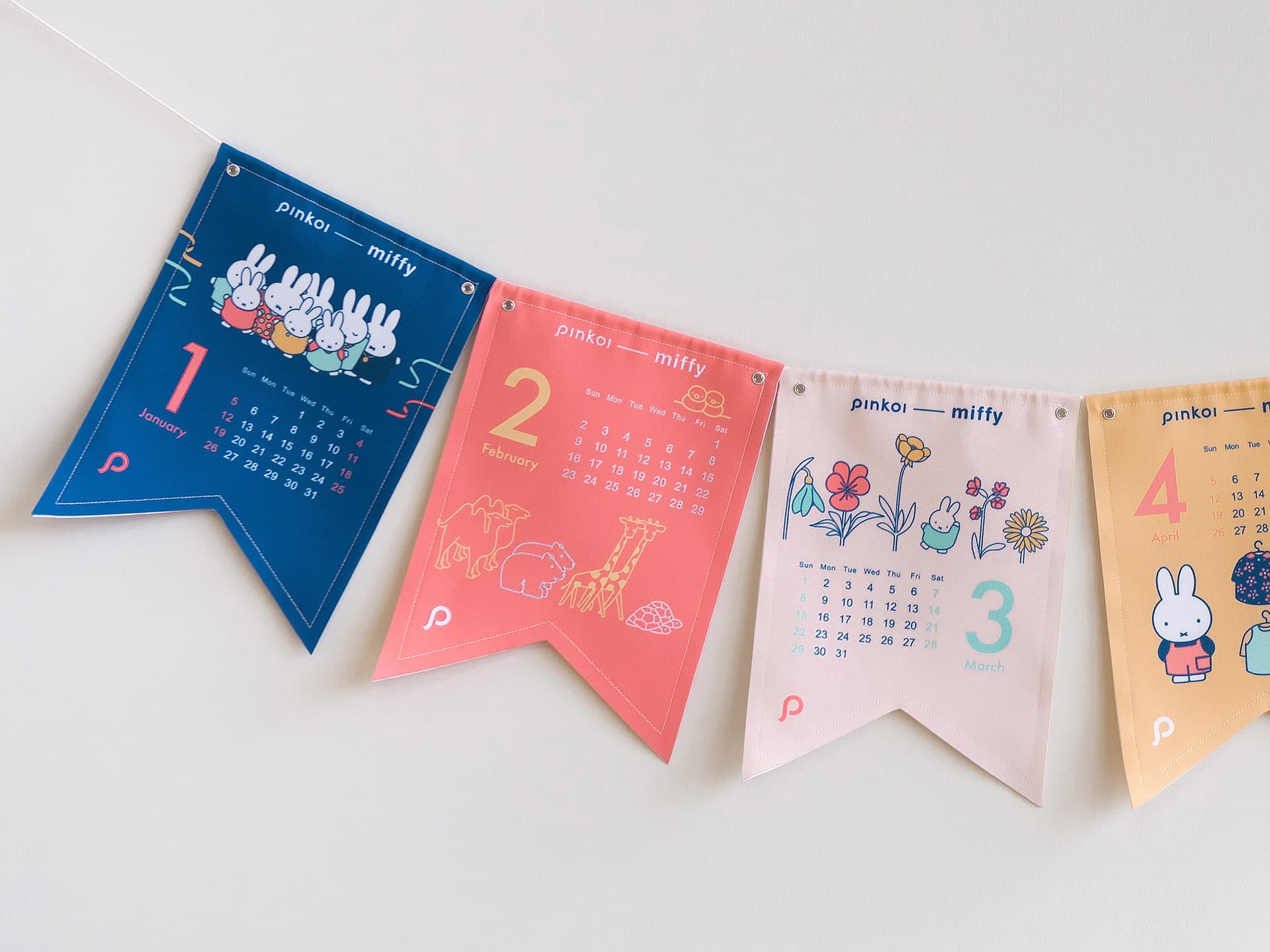
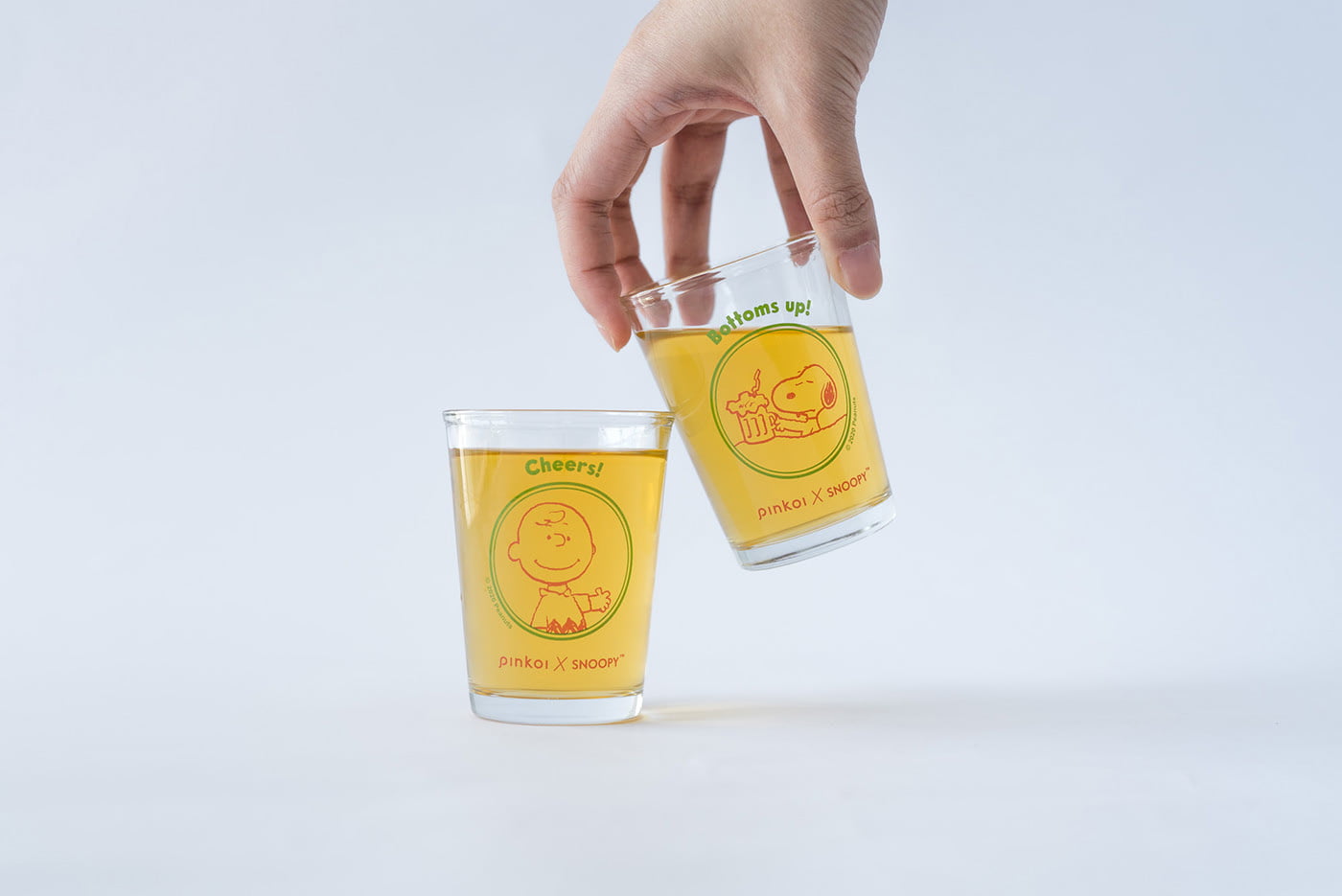
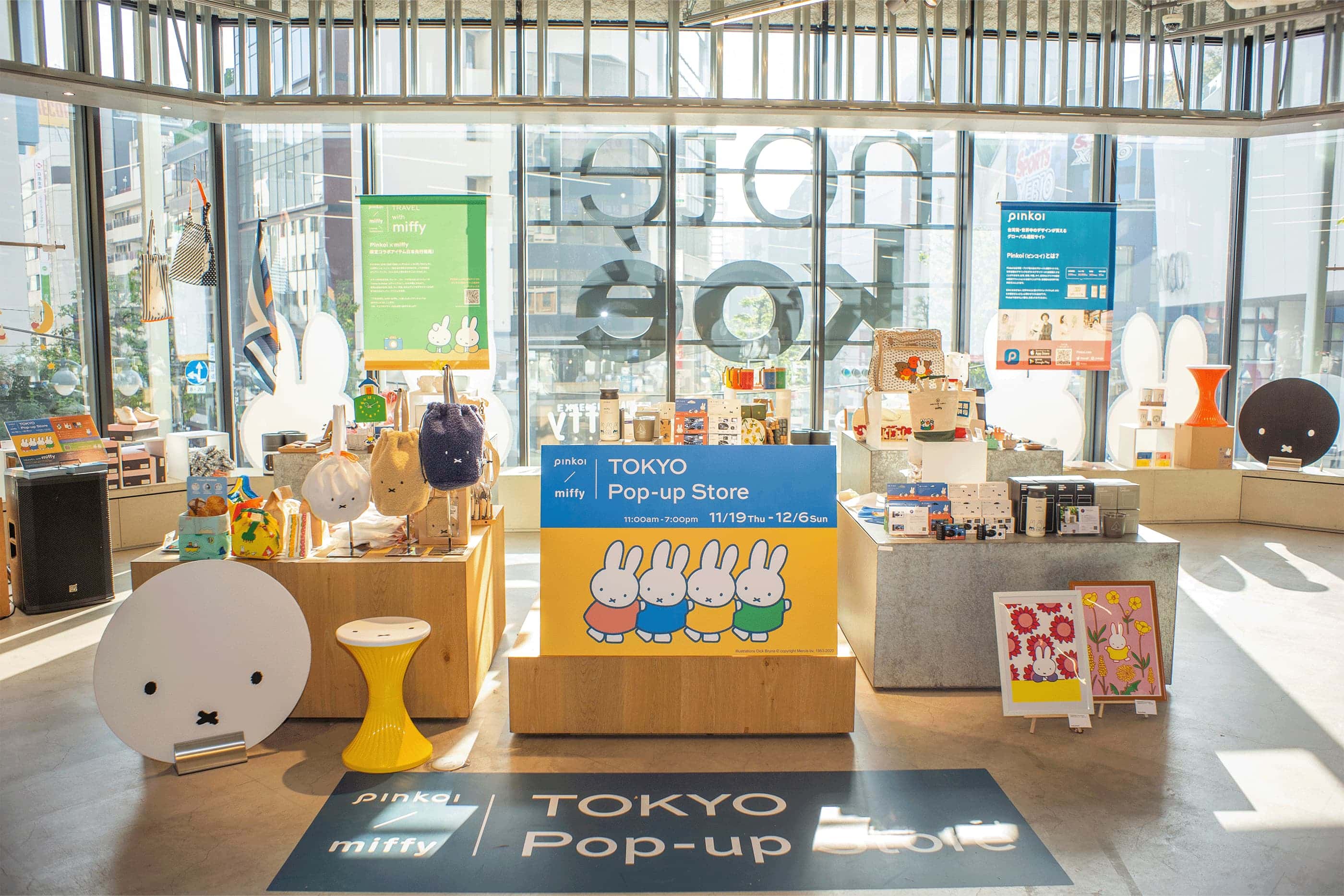
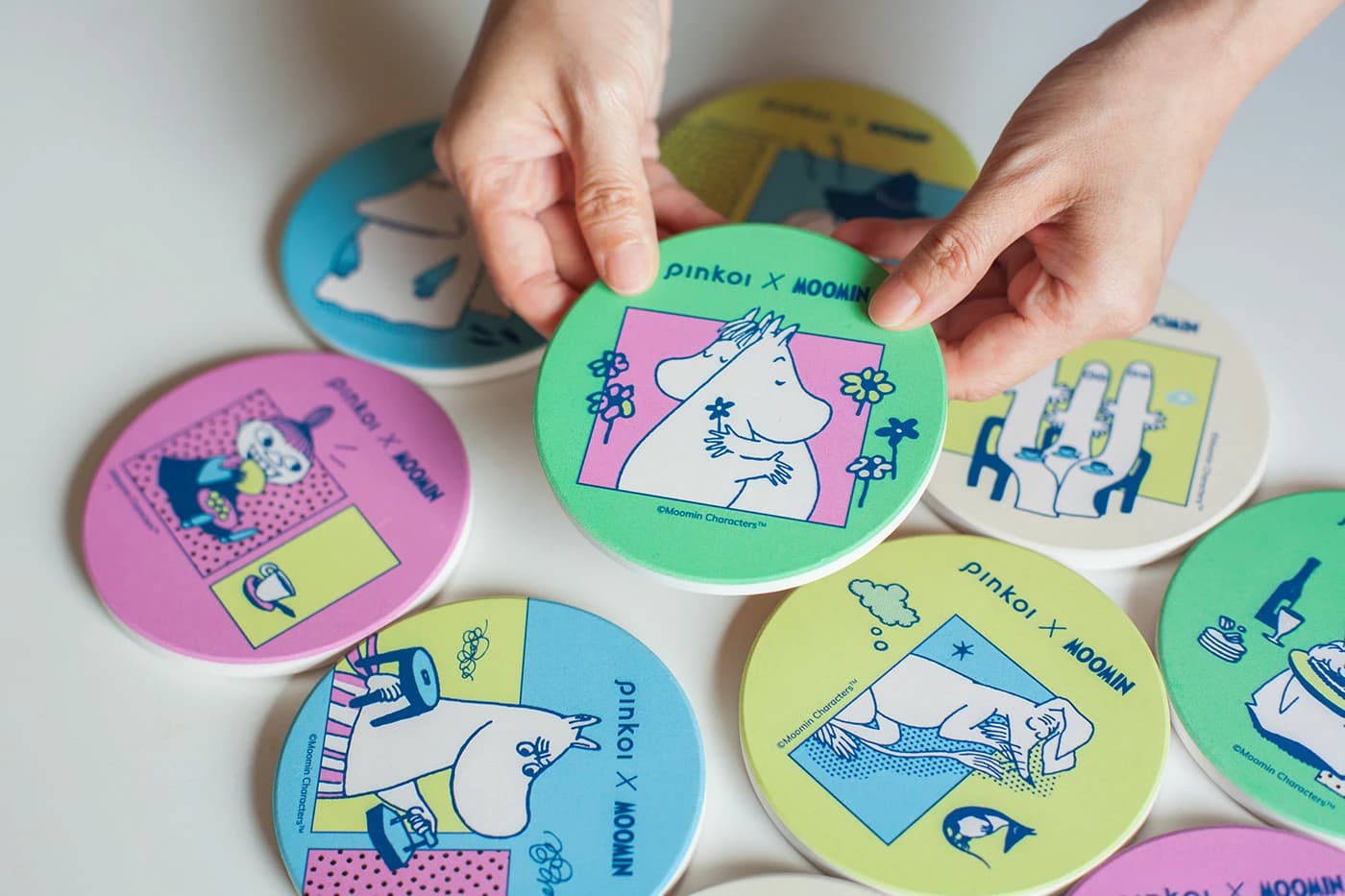
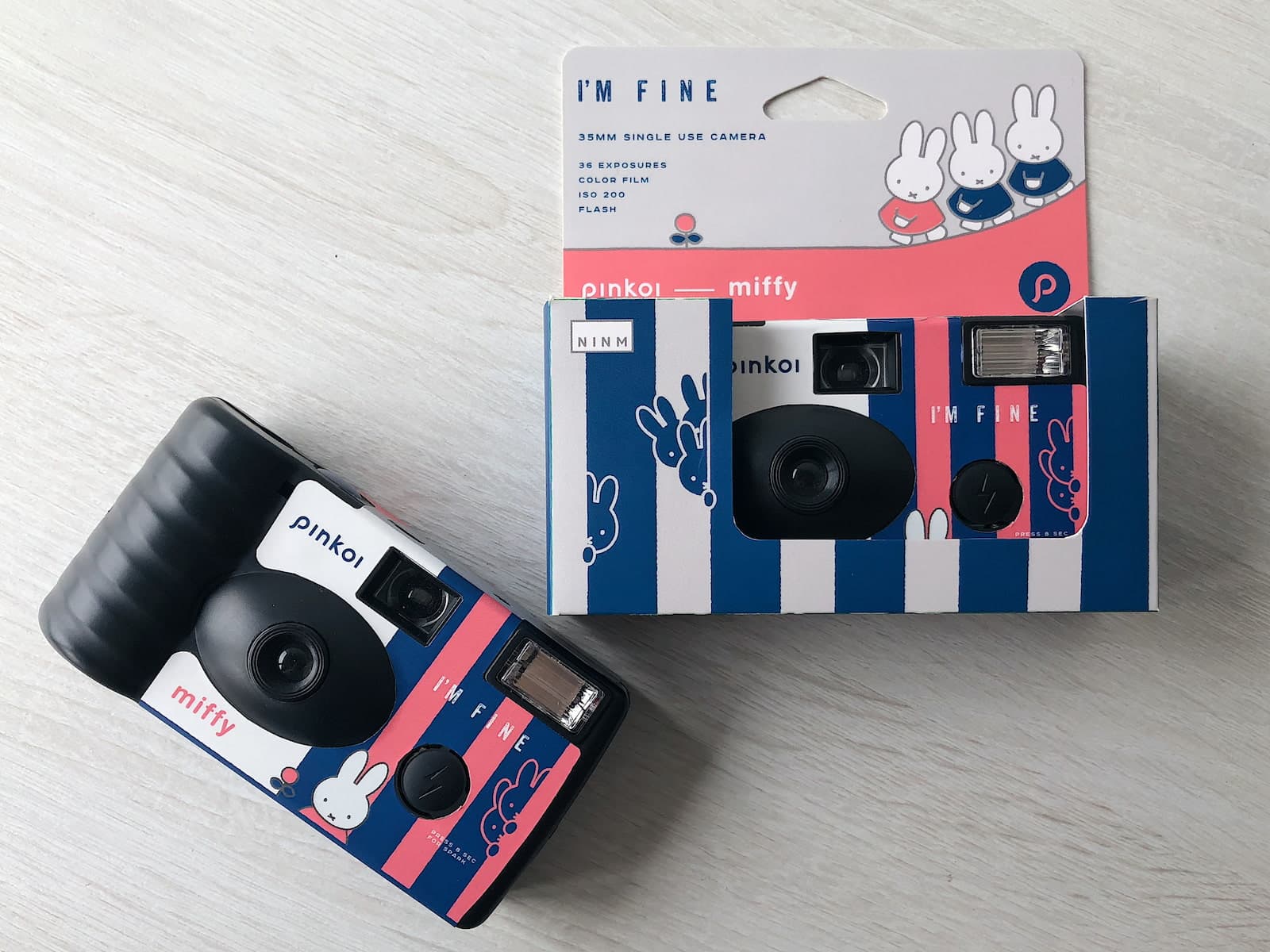
Miffy became Pinkoi's first major global IP collaboration, followed by Snoopy, Hello Kitty, Moomin, and SOU・SOU. Each brought new audiences and expanded Pinkoi's presence across key Asian markets.
The modular brand system made these IP collaborations and campaigns repeatable. Regional teams could tailor color balance, visual motifs, and campaign framing while keeping Pinkoi's presence coherent across markets.
IP collaborations and multi-country campaigns could launch efficiently and consistently, without recreating the brand each time.
Pinkoi shared these results in press coverage. Licensed IP campaigns like Miffy and Snoopy drove approximately 45–66% order growth for participating brands, with a significant share of new, international customers.
Scalable efficiency through modular design
Once the initial Theme Shops proved the format, later launches required dramatically less effort and coordination.
The shop framework was built to be extensible from the start: shared components, reusable layouts, consistent narrative structure.
As a result, later Theme Shops required dramatically less effort to launch. Compared with the first builds, these shops shipped with roughly 75% lower operational cost and coordination overhead, thanks to reusable templates, shared components, and standardized workflows.
Three custom pilots became a repeatable system that teams could deploy confidently. No longer an experiment, it became infrastructure the organization could build on.
Cross-functional velocity and alignment
Clear principles, modular components, and shared decision criteria helped product, brand, and regional teams move faster and align better.
The refresh didn't add constraints. It removed decision friction. Teams could extend the brand confidently across touchpoints without heavy governance.
By 2023, teams across product, marketing, and regional functions were actively using the 2019 brand system, demonstrating its flexibility and durability.
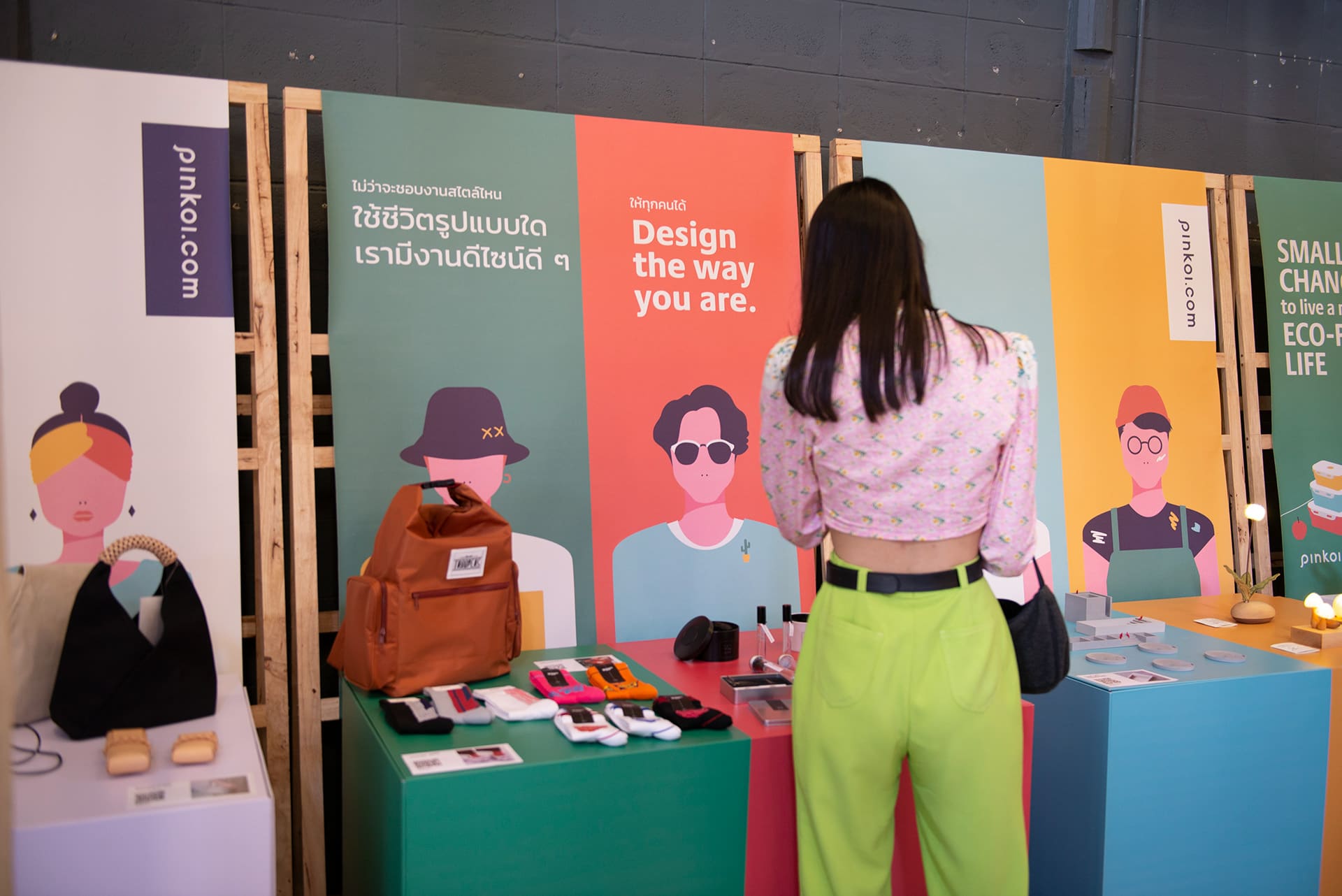
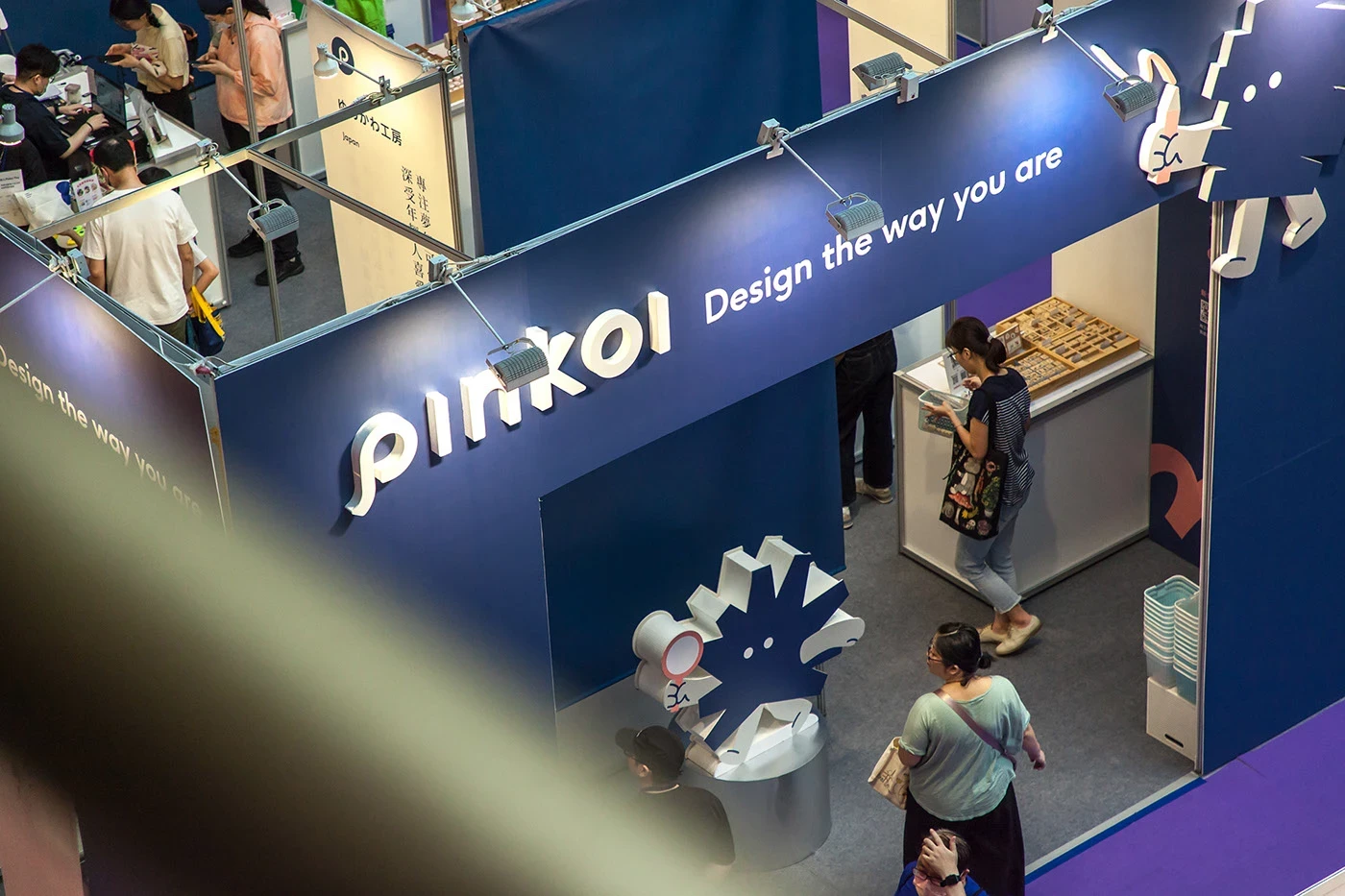
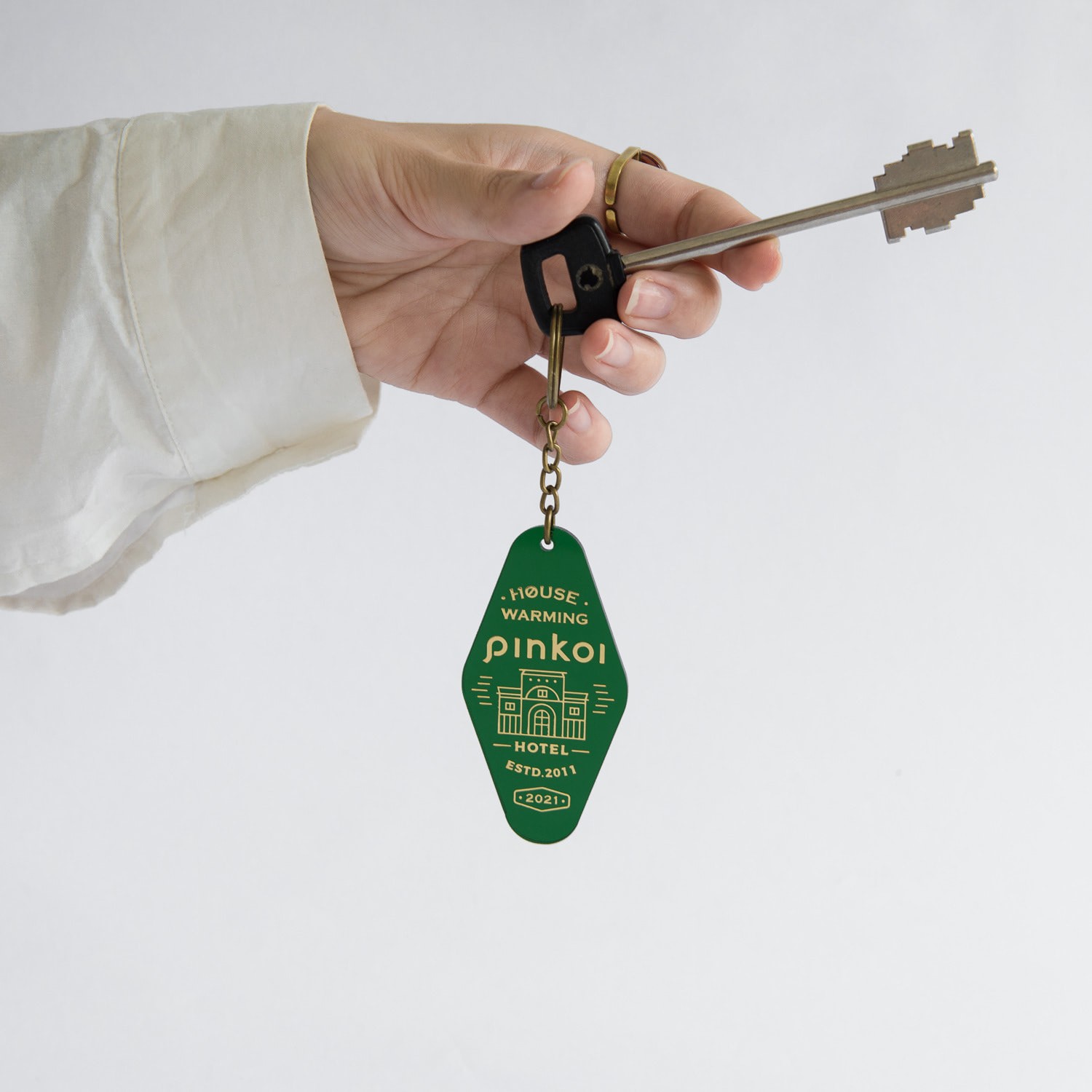
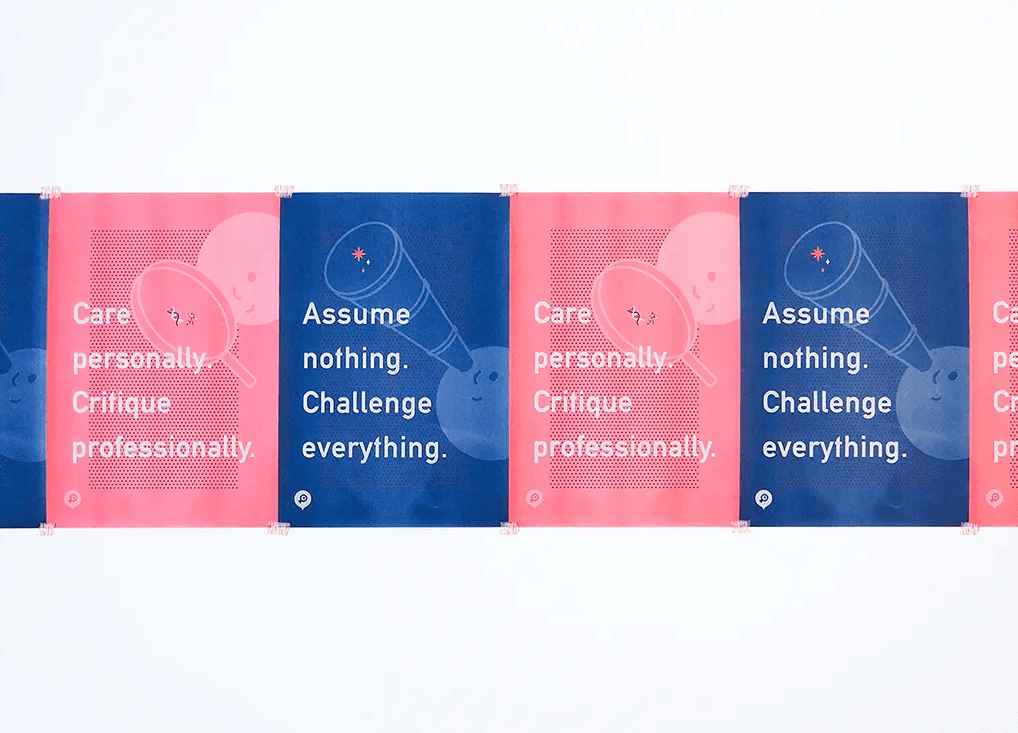
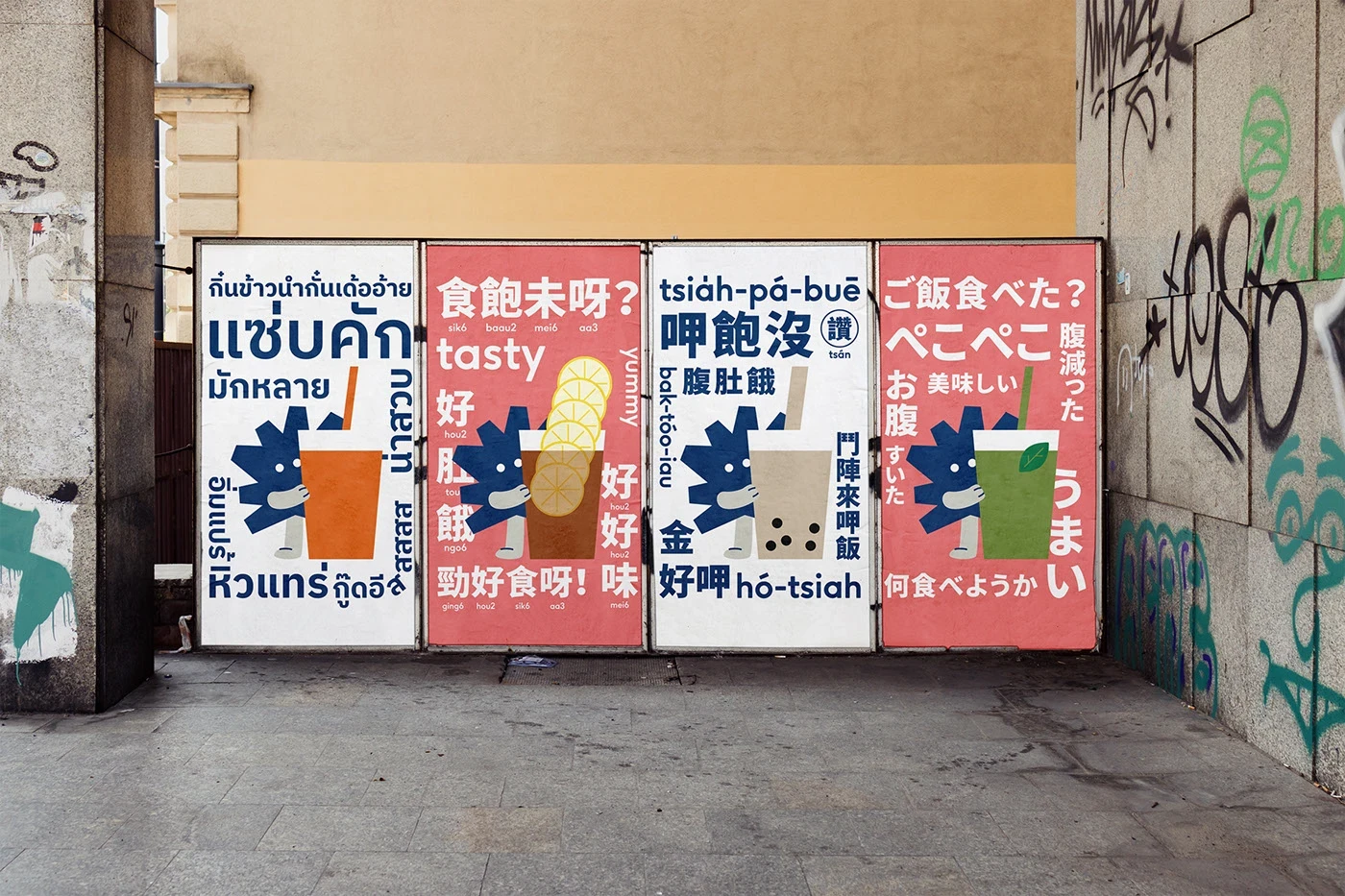
Mascots shown in selected images were introduced in later phases by DDG.
A system built to evolve
Four years after launch, the 2019 brand architecture continued scaling without redesign. This proved the system was structurally sound.
As the brand expanded across more teams and markets, business teams needed clearer guidance and broader expressive range to extend it at scale.
In 2023, Pinkoi worked with DDG to expand the brand with new expressive layers, storytelling elements, and a global playbook. DDG translated the brand's existing DNA into operational frameworks teams could apply more easily.
These additions built directly on the 2019 foundation. The brand vision, core message, original palette, modular structure, and underlying principles carried forward unchanged.
The identity was no longer something teams needed to maintain.
It had become infrastructure the company could grow on.
Credit
* Brand strategy & system (2019): Pinkoi Design & Product Teams
* Brand system extension (2023): DDG
* Selected visuals from work created during my tenure at Pinkoi and public brand materials. Some assets recreated for this case study.